
Key Takeaways
- Expungement and sealing are different legal processes with distinct eligibility criteria in Colorado.
- Recent legislative changes have expanded opportunities for record sealing.
- The Clean Slate Act allows some records to be sealed automatically without a formal petition.
- Sealed records improve employment and housing prospects but may still be visible to some government agencies.
- Nonprofits and legal clinics can assist individuals navigating the sealing or expungement process.
Table of Contents
- Understanding the Difference Between Expungement and Sealing
- Eligibility Criteria for Sealing Criminal Records
- Recent Legislative Changes Impacting Record Sealing
- The Process of Sealing a Criminal Record
- Automatic Sealing Under the Clean Slate Act
- Impact of Sealed Records on Employment and Housing
- Resources for Assistance with Record Sealing
- Conclusion
Understanding the Difference Between Expungement and Sealing
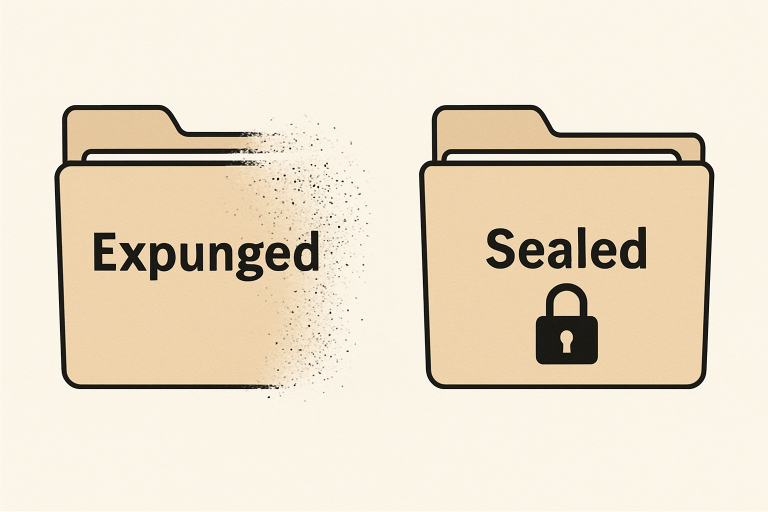
Many people in Colorado seek to clear their criminal records, but it is essential to know whether expungement or sealing is the best option for your situation. Expungement results in a record being erased, as if the event never happened. This is typically limited to juvenile records or cases of mistaken identity. Sealing, by contrast, hides a record from public view but does not erase it. martinlawfirmpc.com offers legal guidance to those seeking to understand these options for criminal record relief.
Sealed records are not available to most employers, landlords, or the public, but law enforcement and selected agencies can still access this information. Recognizing the difference between expungement and sealing is an essential first step before pursuing record clearance, and people’s eligibility will vary based on their individual circumstances.
Each process has different eligibility requirements, and the legal ramifications can significantly impact future opportunities. Individuals should carefully review Colorado’s statutes and consider legal counsel when evaluating their eligibility.
Many people are surprised to learn that eligibility for sealing or expungement depends on both the type of offense and the case’s final disposition. You can find helpful further reading and legal definitions regarding these processes on the Shouse Law Group.
Eligibility Criteria for Sealing Criminal Records
Colorado’s laws are specific about which types of criminal records can be sealed. The most common records that qualify include arrest records with no charges filed, records involving charges that were dismissed, cases resulting in acquittals, records from completed deferred judgments, some misdemeanor convictions after a waiting period, and certain non-violent felony convictions. The required waiting periods and qualifications are clearly defined by statute and often require that the petitioner not have reoffended in the interim.
Offenses involving violence, sexual conduct, or driving under the influence (DUI) are usually not eligible for sealing. If the criminal activity does not meet the criteria, petitioners may not proceed, underscoring the importance of understanding all prerequisites before applying.
Recent Legislative Changes Impacting Record Sealing
Colorado lawmakers have taken steps to expand access to record sealing. Under the Increased Eligibility for Criminal Record Sealing Act, individuals can file for sealing more quickly and efficiently. Another significant law, the Criminal Record Sealing & Expungement Changes Act, makes it easier for those falsely accused (in cases involving mistaken identity) to clear their names if law enforcement fails to act promptly.
These laws aim to reduce hurdles and give more people a second chance by speeding up and simplifying the process, allowing individuals who have demonstrated rehabilitation to reintegrate into society and move forward.
The Process of Sealing a Criminal Record
- Determine Eligibility: Review Colorado’s guidelines or consult with a lawyer to confirm whether your record qualifies for sealing.
- File a Petition: Prepare and file a formal petition with the court that handled your case, including all relevant case numbers and supporting documents.
- Notify the District Attorney: Serve notice to the district attorney, which allows them to review or object to your request.
- Attend a Hearing (If Required): If the district attorney challenges your petition, you will need to appear at a hearing for a judge to decide.
- Receive the Court’s Decision: If the court approves your request, it will issue an order to seal your criminal record.
This process can be detailed and time-consuming, especially if objections or complications arise. Individuals are encouraged to seek professional assistance to avoid errors that could lead to denial.
Automatic Sealing Under the Clean Slate Act
The Clean Slate Act, enacted in 2022, established automatic sealing of certain criminal records. Once enough time has passed without any new offenses (four years for civil infractions, seven years for misdemeanors and petty crimes, and ten years for felonies), eligible records are sealed without requiring a formal petition from the individual. This legislative change was designed to help people with minor infractions, reducing the burdens often associated with formal legal proceedings for record sealing. Additional information and coverage of this law is available from Prison Legal News.
Impact of Sealed Records on Employment and Housing
Having your criminal record sealed can make background checks far less daunting. Once a record is sealed, it generally does not appear in routine background screenings conducted by landlords or private employers, making it easier to secure jobs and housing. However, sealed records can still be reopened if a new crime is committed, and select government agencies retain access for law enforcement investigations or public safety purposes.
Resources for Assistance with Record Sealing
If you are considering applying for sealing or expungement, there are resources designed to help. One key organization is Expunge Colorado, a nonprofit that offers record sealing clinics, free legal support, and educational materials. Their services have helped hundreds of individuals clear eligible criminal records and start fresh. In addition to nonprofits, many county bar associations offer “Lawyer in the Library” clinics or pro bono services related to criminal record relief.
Conclusion
Navigating the world of record expungement and sealing can be complex, but understanding your options and Colorado’s continually evolving laws is a crucial step forward. For most adults, sealing provides a powerful avenue to overcome old mistakes and unlock new opportunities in work and housing. Staying informed, consulting knowledgeable legal resources, and leveraging organizations like Expunge Colorado can be the difference between moving on and remaining held back by your past. If you are uncertain about your case, reputable sources like The Denver Post often provide updates and practical guidance on Colorado’s criminal justice reforms.