Key Takeaways
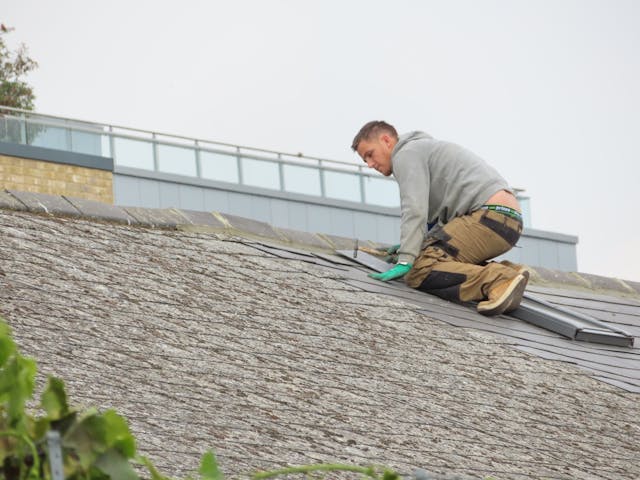
- Regular roof inspections help catch small issues before they escalate into large problems.
- Pay attention to interior symptoms, such as water stains and mold, which often indicate hidden leaks or ventilation issues.
- Visible exterior damage, including missing shingles or sagging, requires prompt attention to prevent structural damage.
- Early intervention and regular maintenance can preserve your roof’s integrity and save you money over time.
Table of Contents
- Interior Signs of Roof Damage
- Exterior Signs of Roof Damage
- Importance of Regular Roof Inspections
- When to Contact a Professional
- Preventive Maintenance Tips
- Conclusion
Homeowners know that keeping a roof in top condition is essential to the overall health, safety, and comfort of their home. Minor roof problems, if left unattended, can lead to significant structural damage and costly repairs. Recognizing the signs that your roof may need repair early on protects your home’s value and ensures year-round peace of mind. For those interested in professional assessment or guidance in the Lake City, Florida area, roofing specialists can provide valuable local expertise.
Simple inspections and timely responses can mean the difference between an easy fix and extensive repairs. Understanding common indicators of roof issues, from visible damage to subtle interior symptoms, is crucial for every homeowner. By learning what to watch for, you can take action before a small leak becomes a major problem.
Both interior and exterior warning signs can shed light on roof integrity, serving as early alerts for action. Proactive maintenance and routine checkups are also part of a solid home-care strategy, helping you get the most from your roof’s lifespan while protecting what matters most, your home.
When unsure about the condition of your roof or before you encounter more serious trouble, it can be helpful to consult a roofing contractor with the experience and tools to evaluate your roofing system thoroughly.
Interior Signs of Roof Damage
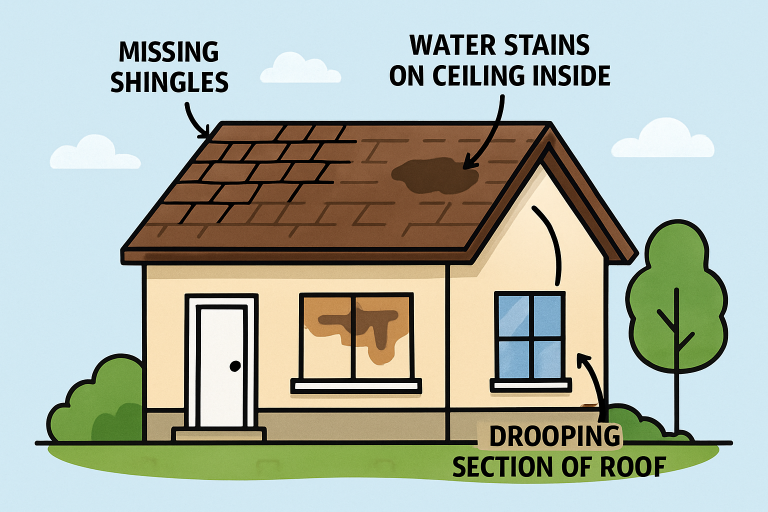
The inside of your home can sometimes provide the first clues that your roof needs attention. Water stains are a major red flag. A yellow or brown discoloration on ceilings or upper walls often points to water seepage, which can quickly escalate if left untreated. Mold or mildew growth, particularly in areas such as the attic or upper-floor closets, is a signal that moisture is present and that ventilation may be insufficient.
Another tell-tale sign is daylight showing through in the attic. If light can penetrate, so can water and pests. Investigate any sudden draftiness or unexplained temperature changes in your attic as well; they may indicate roof gaps or insulation failures, contributing to higher energy bills and potential water damage.
Exterior Signs of Roof Damage
Your roof’s condition is often revealed by an exterior inspection. One of the most common signs is missing, cracked, or curling shingles. These areas expose the underlying roof structure to the elements, leading to roof rot, leaks, and insulation issues. Granule loss, evident when granules accumulate in gutters or downspouts, can also indicate that shingles are past their prime.
Pay special attention to roof sagging, which may indicate issues with the roof decking or the foundation below. This sign warrants immediate action to avoid further structural complications. Damaged or dislodged flashing around chimneys, skylights, and vents should also be addressed immediately, as these areas are prime locations for leaks.
Importance of Regular Roof Inspections
Most experts recommend regular roof inspections at least twice a year, especially after severe weather events such as storms or hurricanes. According to the National Roofing Contractors Association, conducting these biannual checks helps catch and resolve issues early, reducing the need for future significant repairs. You can read more about best practices for home roof inspections from Better Homes & Gardens.
When to Contact a Professional
If you spot any of the previously mentioned warning signs or have doubts about your roof’s condition, contact an exterior inspection professional. An exterior inspection often accurately reveals your roof’s condition, assesses issues, provides a full evaluation, and offers repair or replacement options. Early intervention can prevent escalating costs and potential safety issues in your home. For more guidance on when to hire a roofing expert, check out this Forbes Home guide on roof replacement.
Preventive Maintenance Tips
- Gutter Cleaning: Clean your gutters regularly to prevent water backup that can lead to roof rot and leaks near eaves or chimneys.
- Trimming Overhanging Branches: Remove branches overhanging your roof to minimize debris buildup and reduce the risk of shingle damage during storms.
- Attic Ventilation: Make sure your attic is well-ventilated. Full airflow can curb moisture buildup and reduce the chances of mold or mildew.
- Inspect After Storms: After heavy winds or storms, check for missing shingles, loosened flashing, or other storm-related damage that may need prompt repair.
Conclusion
Being attentive to the condition of your roof is crucial for safeguarding your home investment. Early detection of issues, combined with routine maintenance and professional assistance, can help you avoid extensive and costly repairs down the road. Make roof care a part of your regular home maintenance to keep your home safe, comfortable, and dry for years to come.