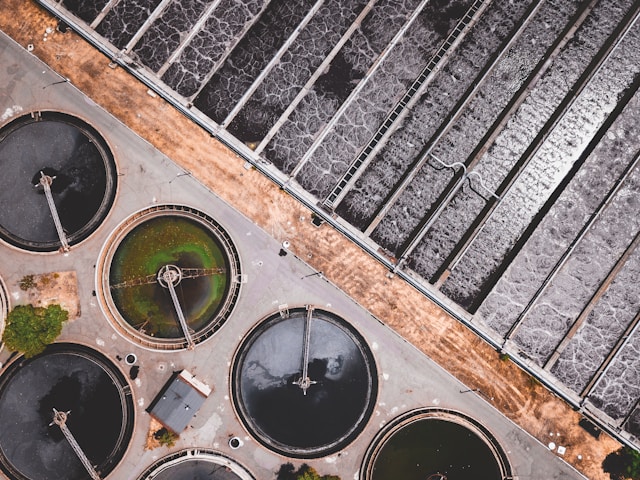
Owning a home means maintaining your septic system. Septic systems treat household wastewater and protect public health. Neglecting maintenance can lead to costly repairs or replacement. Regularly engaging reputable septic tank services is crucial in preventing such situations. Remember, prevention is critical in septic system care.
Why Regular Septic Tank Maintenance Matters
Your septic system is something you can only set and remember. Regular service, including inspections and pump-outs, is vital for the longevity and proper functioning of the system. An ignored septic system can lead to many problems, like sewage backing up into your home or contaminating your drinking water and the local environment. These issues not only pose health risks but are also financial burdens. An ongoing relationship with septic maintenance professionals, such as septic tank services Orlando, FL, is vital to avoid such nuisances. Proper maintenance beats reactive measures every time, ensuring a clean and safe environment for your family and community.
The Science Behind Septic Systems
To appreciate the importance of maintaining your septic system, it helps to understand the science that makes it work. Septic systems use a combination of nature and proven technology to treat household wastewater from plumbing fixtures (bathroom, kitchen, laundry, etc.). The system comprises a septic tank and a drain field. Bacteria digest organic materials inside the tank, separating floatable matter (e.g., oils and grease) and solids from the wastewater. The system’s efficiency can suffer if improper usage or chemical interference disrupts the tank’s biological balance. Thus, nurturing this intricate ecosystem is crucial for every homeowner.
How to Recognize Septic System Failure
Recognizing the warning signs of a malfunctioning septic system can save a homeowner much distress and money. Symptoms of ailing systems include slow flushing toilets, drainage issues, or unsightly sewage backups. A foul sewage smell is not just unpleasant; it’s a red flag that your septic system needs urgent attention. These signs hint at a blockage or overfilling of the tank, among other issues. Additionally, unusually lush vegetation around the drainfield area may indicate a leak seeping nutrients into your yard. Immediate professional assessment and intervention are necessary when these signs appear to prevent more extensive damage.
Eco-Friendly Practices for Septic Systems
Eco-friendly septic system maintenance extends beyond protecting your property and benefits the wider environment. Such practices involve conserving water to decrease the risk of overloading the system. Selecting the proper detergents and cleaners is equally critical; these should be low in, or free of, chemicals that may harm the microbial balance within the tank. Additionally, preserving the area over and around the drainfield is essential. For example, not driving heavy vehicles over the drain field prevents soil compaction, which could impair the soil’s ability to absorb wastewater.
Cost Analysis of Septic System Upkeep
Keeping a keen eye on the costs associated with septic system upkeep allows a homeowner to budget effectively and avoid unwelcome financial surprises. Prices can vary based on system size, usage, and region, but investing in regular maintenance is undeniably cost-effective compared to the expenses of an emergency repair or a complete system replacement. Furthermore, long-term savings include less frequent maintenance, extended system life, and home value. A little expense today can forestall significant outlays in the future.
Frequently Asked Questions About Septic Systems
Septic system owners often have many questions, from pumping frequency to the best products for use with septic systems. Addressing these frequently asked questions can empower homeowners to take proactive steps in system care and extend its useful life. Clear, grounded knowledge is the foundation of effective septic system maintenance, leading to smooth operations and fewer surprises. To deepen your understanding of the intricacies of your septic system and its requirements, peruse the thoughtful information offered by the U.S. Environmental Protection Agency’s guidelines. There, you’ll find rich resources on maintaining a septic system. Additionally, the Natural Resources Defense Council’s article on septic system basics can provide valuable insights into the intersection of septic systems and environmental stewardship, guiding you toward practices that preserve your home’s systems and the earth’s wellbeing.