Importance of Monitoring Your Gas Meter
Monitoring your natural gas utility meter is crucial for managing energy consumption and expenses. Regularly checking your meter helps you identify usage patterns, detect potential leaks, and ensure accurate billing. Facilities like a natural gas utility meter shop ensure that meters function correctly and provide accurate readings, essential for effective management.
Without regular monitoring, it’s easy to overlook unnecessary gas usage or potential issues that could lead to higher bills and safety concerns. Therefore, understanding how to read and monitor your natural gas meter can empower you to make informed decisions about your energy use.
How to Read Your Natural Gas Meter
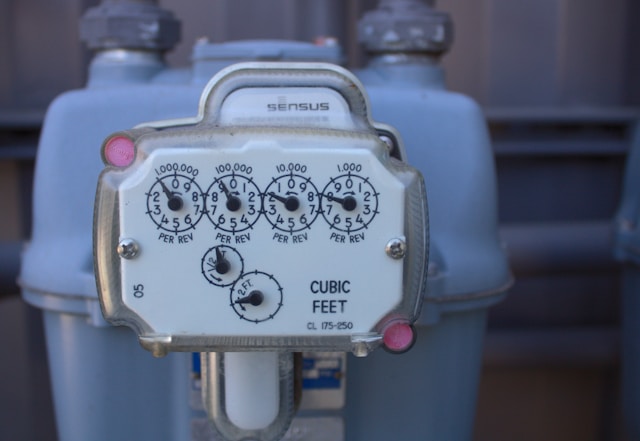
Reading your natural gas meter might seem daunting, but it is a straightforward process once you understand the basics. Most residential gas meters have four to six dials displaying the total gas volume used. Here’s a simple step-by-step guide:
- Locate the meter, usually outside your home or in the basement.
- Read the dials from left to right. Note that some dials may turn in opposite directions.
- Record the number each hand points to. If a hand is between two numbers, write down the lower number.
- Combine the recorded numbers to get your meter reading.
Recording your meter readings regularly can help you track your gas usage over time. This practice will help you spot any sudden spikes, which could indicate a leak or a malfunction.
Benefits of Regular Monitoring
Regularly monitoring your gas meter offers multiple benefits. According to Energy Saver, tracking your energy consumption allows you to manage your household budget better and help identify energy conservation opportunities. Optimizing your gas usage will also reduce your environmental footprint.
Another significant benefit is the early detection of gas leaks. Even minor leaks can lead to substantial energy loss and pose serious safety hazards. Regular monitoring helps ensure that any discrepancies are identified and addressed promptly.
Tools and Technologies for Monitoring
The advent of smart technologies has made monitoring your natural gas usage easier and more efficient. Smart meters and monitoring devices provide real-time data on gas consumption, often accessible through smartphone apps. These technologies can alert you to unusual usage patterns and help you take corrective actions quickly.
For instance, smart thermostats can integrate with your gas meter to offer detailed insights into your energy consumption. By leveraging these tools, you can comprehensively understand your household’s gas usage and identify areas where you can improve efficiency.
Common Challenges
Despite the ease of modern tools, some challenges still need to be addressed in effectively monitoring gas usage. One common issue is meter tampering, which can give inaccurate readings and lead to higher bills. Additionally, older meters may need to be more precise, necessitating periodic checks and potential replacements.
Another challenge is the potential for gas leaks, which may only sometimes be easy to detect. Regular monitoring helps, but it’s also important to be aware of the signs of a leak, such as a smell of gas or dying vegetation near the meter.
Best Practices
Following best practices can help you get the most out of your gas meter monitoring efforts. Start by setting a regular schedule for recording meter readings—weekly or monthly checks are advisable. Utilize smart technologies to automate data collection and get real-time alerts on your smartphone.
Additionally, educate yourself about the signs of a gas leak and perform regular safety checks around your meter. Finally, ensure your meter remains in good condition by scheduling periodic maintenance from qualified professionals. This proactive approach will help you optimize your gas usage and ensure the safety of your household.