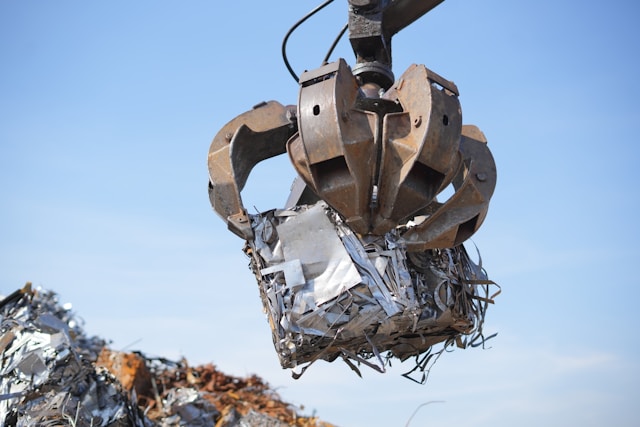
Scrap metal recycling is an environmentally friendly practice that transforms discarded metal into reusable materials, reducing waste and conserving natural resources. Recycling metals such as aluminum, steel, copper, and brass helps lower greenhouse gas emissions and minimizes the need for mining and manufacturing new materials. This process saves energy, as recycling metals consumes significantly less than producing them from raw ore. Individuals and businesses contribute to a sustainable future by participating in scrap metal recycling while reducing landfill waste and promoting a circular economy.
Working with reputable scrap metal dealers NJ is a practical way to recycle unused metal responsibly and efficiently. These dealers provide services to collect, sort, and process scrap metal, ensuring that materials are recycled effectively and meet industry standards. Partnering with local experts simplifies the recycling process and helps turn discarded metal into valuable resources, benefiting both the environment and the economy.
Types of Scrap Metal
Scrap metal encompasses a wide-ranging group of materials categorized into ferrous, non-ferrous, and electronic waste (e-waste). Ferrous metals, including commonly used materials like steel and iron, are distinguishable by their magnetic properties. These metals are often found in household appliances, vehicles, and industrial machinery. Conversely, non-ferrous metals—like lead, copper, and aluminum—do not have magnetic properties and are well known for their ability to withstand corrosion, which makes them perfect for usage in everything from electrical wiring to infrastructure. A recent addition to the scrap metal family, e-waste consists of outdated electronic equipment containing precious metals, including palladium, silver, and gold. E-waste can be a rich source of repurposed materials if adequately managed.
Environmental Benefits of Recycling Scrap Metal
One of the most compelling reasons to recycle scrap metal is its positive environmental impact. By decreasing the dependence on raw material extraction, scrap metal recycling effectively lowers air and water pollution and aids in preserving biodiversity. Additionally, recycling significantly lowers greenhouse gas emissions, which is essential for reducing climate change’s consequences. The Environmental Protection Agency (EPA) claims that recycling metals significantly impacts entire ecosystems worldwide by lowering the carbon footprint related to their manufacture and processing.
Economic Advantages of Scrap Metal Recycling
Recycling scrap metal has equally striking economic repercussions. The business boosts economic growth by creating jobs at all levels, from collecting and sorting metal to processing and selling metal. Additionally, recycling metals is usually less expensive and energy-intensive than making metals from raw materials. This results in lower production costs and more competitive prices for finished goods. Furthermore, the recycling sector actively preserves significant financial resources because it frequently draws public and private investment to support sustainable development initiatives.
Techniques Used in Scrap Metal Recycling
Recycling scrap metal involves sophisticated techniques designed to maximize efficiency and resource recovery. The process begins with sorting and separating metals based on their types while ensuring they are free from contaminants. This is followed by shredding, where materials are broken down into small, manageable pieces. Melting is the next step, in which metals are liquefied in large furnaces to remove impurities and facilitate reshaping. Advanced technology aids these processes by ensuring precise separation and enhancing processing efficiency, making it possible to recycle a significant proportion of the original materials into high-quality, reusable metal.
Tips for Efficient Scrap Metal Recycling
For individuals and businesses, efficient scrap metal recycling begins with education and awareness. It’s essential to separate recyclables at home, categorizing items like aluminum cans and steel food containers into designated bins to avoid contamination. Businesses can benefit from establishing a centralized collection system where employees are trained to identify and separate recyclable metals. Building solid relationships with local recycling facilities can streamline the process, ensuring that metals are processed in an environmentally responsible manner.
Future Trends in Scrap Metal Recycling
The future of scrap metal recycling is burgeoning with possibilities, driven by technological advancements and more robust global policies aimed at sustainable development. Integrating automation and artificial intelligence is increasingly central to optimizing the sorting and processing stages, enhancing productivity and precision. Furthermore, the movement towards sustainable manufacturing processes is becoming more pronounced, with recycling playing a pivotal role in achieving such goals. As new technologies and frameworks evolve, the scrap metal recycling industry is poised to contribute significantly to worldwide environmental preservation and economic prosperity.