Table of Contents
- Understanding Seasonal Changes
- Preparing Your Lawn for Winter
- Reviving Your Lawn in Spring
- Maintaining a Healthy Lawn During Summer
- Autumn Preparations for a Better Year
- Essential Lawn Care Tools
- Overcoming Common Lawn Challenges
Understanding Seasonal Changes
Understanding how seasonal changes affect your grass is crucial to maintaining a vibrant and lush lawn throughout the year. Each season presents unique challenges and opportunities. Different climates experience varied temperatures, daylight durations, and precipitation, all of which influence the growth patterns and health of your lawn. Those engaged in landscaping maintenance Arlington VA, understand the importance of adapting lawn care techniques seasonally to keep the landscape appealing and robust.
These changes affect not only the visible growth on the surface but also the root systems below. For example, spring showers often encourage rapid growth, while summer heat can induce stress on your lawn. According to the National Weather Service, understanding these dynamics can help homeowners plan their lawn maintenance activities effectively to align with ecological needs and promote a healthy lawn all year round.
Preparing Your Lawn for Winter
As winter approaches, proper preparation becomes vital to safeguard your lawn from the harsh and unforgiving conditions it might face. Cold temperatures and possible frost can wreak havoc on grass health, making early intervention necessary. Start by aerating your lawn to alleviate soil compaction. This small action can have a big impact by improving the efficiency of air, water, and nutrients reaching the grassroots. Doing so prepares your lawn to withstand the stress of freezing temperatures.
Applying a winter-specific fertilizer is another essential step. These fertilizers are high in potassium, which strengthens grassroots and enhances their ability to absorb nutrients. Moreover, spreading mulch can serve as an insulating layer, protecting the roots from the cold and helping retain soil moisture. This preparatory work might make the lawn appear dormant, but in reality, it’s safeguarding vital processes below the surface to prime the grass for a strong comeback in spring.
Reviving Your Lawn in Spring
Spring is a season of renewal, offering a perfect opportunity to breathe life back into your grass after the winter freeze. The first task in spring is dethatching, which involves removing the layer of dead grass and debris that builds up between the soil and live grass. This step is essential for improving air circulation, water penetration, and nutrient absorption.
Reseeding bare or thin areas of your lawn is another crucial task during spring. The seeds thrive in the mild weather, filling out your lawn to prepare it for the challenges ahead. According to the Old Farmer’s Almanac, adjusting soil pH by adding lime can optimize grass growth. Testing your soil and addressing any pH imbalance ensures you’re laying a solid groundwork for a vibrant lawn. Consistent and deep watering promotes a strong root system, helping to establish resilience against future heat and drought.
Maintaining a Healthy Lawn During Summer
Summer presents its own set of challenges for lawn care, with higher temperatures and a potential lack of rainfall. During this time, deep watering is critical. Watering early in the morning ensures your lawn absorbs the moisture before the heat of the day causes evaporation. Aim for less frequent but deeper watering to promote deep root growth. This approach strengthens the lawn, making it more drought-resistant.
Moreover, setting your mower to a higher setting keeps the grass longer, which helps shade the soil and reduce water loss. Tall grass also suppresses weed growth by blocking sunlight from reaching the seeds. Another challenge in summer is pest intrusion. With insects more active, monitoring and controlling pests becomes paramount. Regular checks and responsive management help ensure your lawn remains lush and healthy through the scorching heat.
Autumn Preparations for a Better Year
Autumn might be the end of the busy growing season, but it’s a crucial time for future lawn health. Fertilization during this period is vital as it restores nutrients depleted during summer. An autumn fertilization plan might also include phosphorous to promote root development, preparing your lawn for winter insulation and spring growth.
Fall is also an excellent time to overseed, especially in areas showing signs of thinning. The cooler temperatures and ample rainfall provide the perfect conditions for new growth. Aerating again in autumn can alleviate any compaction that occurred over summer, ensuring your lawn gets ample access to air and nutrients. Taking these steps in autumn can significantly contribute to having a dense and vibrant lawn next year.
Essential Lawn Care Tools
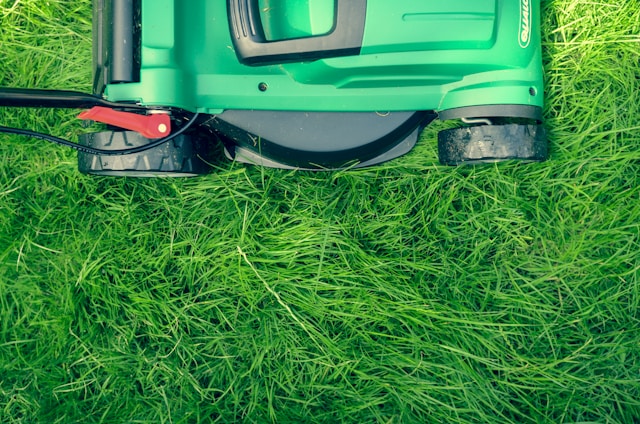
Effective lawn care requires the right tools. A reliable lawn mower, equipped with sharp blades for clean cuts, is indispensable. Investing in a good aerator can make the task of relieving soil compaction much easier. Trimmers and edgers are also essential, helping you maintain a neat appearance by trimming grass along walkways, driveways, and garden beds.
For those with larger properties, powered machinery like ride-on mowers and leaf blowers can save considerable time and effort. Regular maintenance and storage of these tools preserve their longevity, ensuring they’re ready for action each season.
Overcoming Common Lawn Challenges
A picture-perfect lawn faces various challenges, such as weeds, pests, and diseases. Routine inspections allow early detection of problems, reducing the chance of escalation. For instance, identifying weed invasions early can prevent them from spreading quickly and competing with your grass for resources. Organic treatments can efficiently manage these intruders while being safe for the environment.
Maintaining healthy mowing, watering, and fertilizing routines is crucial in preventing common lawn ailments. Consistency in care reduces vulnerabilities to many issues, creating a resilient landscape that’s resistant to both natural and man-made challenges.