Key Takeaways
- Understanding the versatility of hydraulic hoses in various industries.
- Exploring safety and maintenance practices for optimal performance.
- Incorporating modern technologies and sustainable practices.
Introduction to Hydraulic Hoses
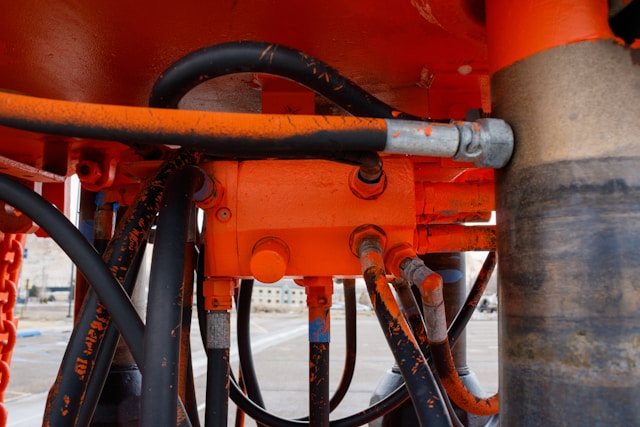
Hydraulic hoses are pivotal in the machinery world, providing the backbone for various systems by enabling the seamless transmission of fluid power. These hoses are engineered to withstand high pressure and temperature, making them indispensable in countless industrial and mobile equipment applications. From the bustling construction sites to the meticulously maintained assembly lines, hoses ensure machinery operates efficiently and safely.
Today, hydraulic hoses’ versatility has expanded their application across numerous fields. Engineers and technicians value these components’ ability to fit into tight and complex setups, underscoring their importance in system designs that demand flexibility and durability. The significance of hydraulic hoses cannot be understated, as they continue to power innovations and advancements in mechanical systems globally.
Versatile Applications
Hydraulic hoses are as diverse in their applications as in their configurations. In the construction industry, they are the lifeline for heavy machinery such as bulldozers, excavators, and cranes, enabling these gigantic machines to perform their duties with precision and reliability. The agricultural industry also greatly benefits, as hydraulic cylinders are integral to the operation of spray rigs, harvesters, and tractors, ultimately enhancing agricultural practices’ productivity and efficiency.
Beyond construction and agriculture, hydraulic hoses are crucial in automotive manufacturing, aerospace sectors, and even the robotics industry, where precision and flexibility are vital. Hydraulic hoses’ adaptability to different pressure levels and environmental conditions makes them suitable for various tasks, from undersea explorations to space-bound equipment.
Material and Design Innovations
The field of hydraulic hoses has witnessed significant innovation, especially concerning the materials and designs used in their manufacture. Innovations incorporating thermoplastics and reinforced composites have enabled hoses to endure higher pressures and better resist environmental factors like extreme temperatures and chemical exposure. These materials enhance the life expectancy of hoses and improve their safety and reliability under demanding conditions.
Design innovations have also led to the creation of hoses that can withstand dynamic loads and are more fatigue-resistant. It means longer service intervals and less downtime, a crucial advantage in an industrial setting where every minute of halted operation can lead to significant losses. Moreover, customization in design allows for tailored solutions specific to an industry or application, ensuring that every mechanical need is precisely met.
Safety and Maintenance Tips
Strict safety and maintenance procedures are essential to preserving the integrity and security of hydraulic systems. Hoses must be inspected frequently to ensure they are free of abrasions, leaks, and other wear and tear that might cause failures. Adopting proper installation techniques and following safety guidelines minimizes risks and prolongs the hoses’ lifespan.
- Conduct thorough inspections regularly to identify early signs of damage.
- Ensure hoses are correctly stored to prevent kinks and degradation.
- Use compatible fittings and equipment for installation to avoid stress on the hoses.
- Educate and train staff on correct handling procedures and response actions in case of leaks.
Prioritizing safety and maintenance extends the operational life of hydraulic hoses and enhances the overall safety and efficiency of the systems in which they are used.
Future Trends
Intelligent technology integration within hydraulic hoses will revolutionize their application and management. With sensors and IoT capabilities, hoses can offer real-time data on pressure levels, temperature, and performance metrics. This technological advancement enables predictive maintenance strategies, reducing unplanned downtime and extending the operational life of the equipment.
The shift towards intelligent systems is part of a broader trend in industrial automation, which focuses on making machinery more thoughtful and adaptive. Intelligent systems improve operational efficiency and play a crucial role in risk management by providing operators with real-time insights into hose performance and potential failure points.
Sustainability in Hydraulic Hose Production
The drive towards sustainability influences every facet of the industry, and hydraulic hose production is no exception. Manufacturers increasingly prioritize environmentally friendly practices such as using biodegradable oils and recyclable materials in hose production. These practices reduce waste and pollutants, aligning with global efforts to minimize environmental impact.
Sustainable manufacturing initiatives demonstrate a dedication to preserving the environment and meeting the increasing demand for greener products from businesses and consumers. As legislation and corporate responsibility standards evolve around environmental impact, sustainable practices in hydraulic hose production will likely continue to grow in importance.